Columbia Space Initiative — CubeSat Mission
Fully Assembled CubeSat
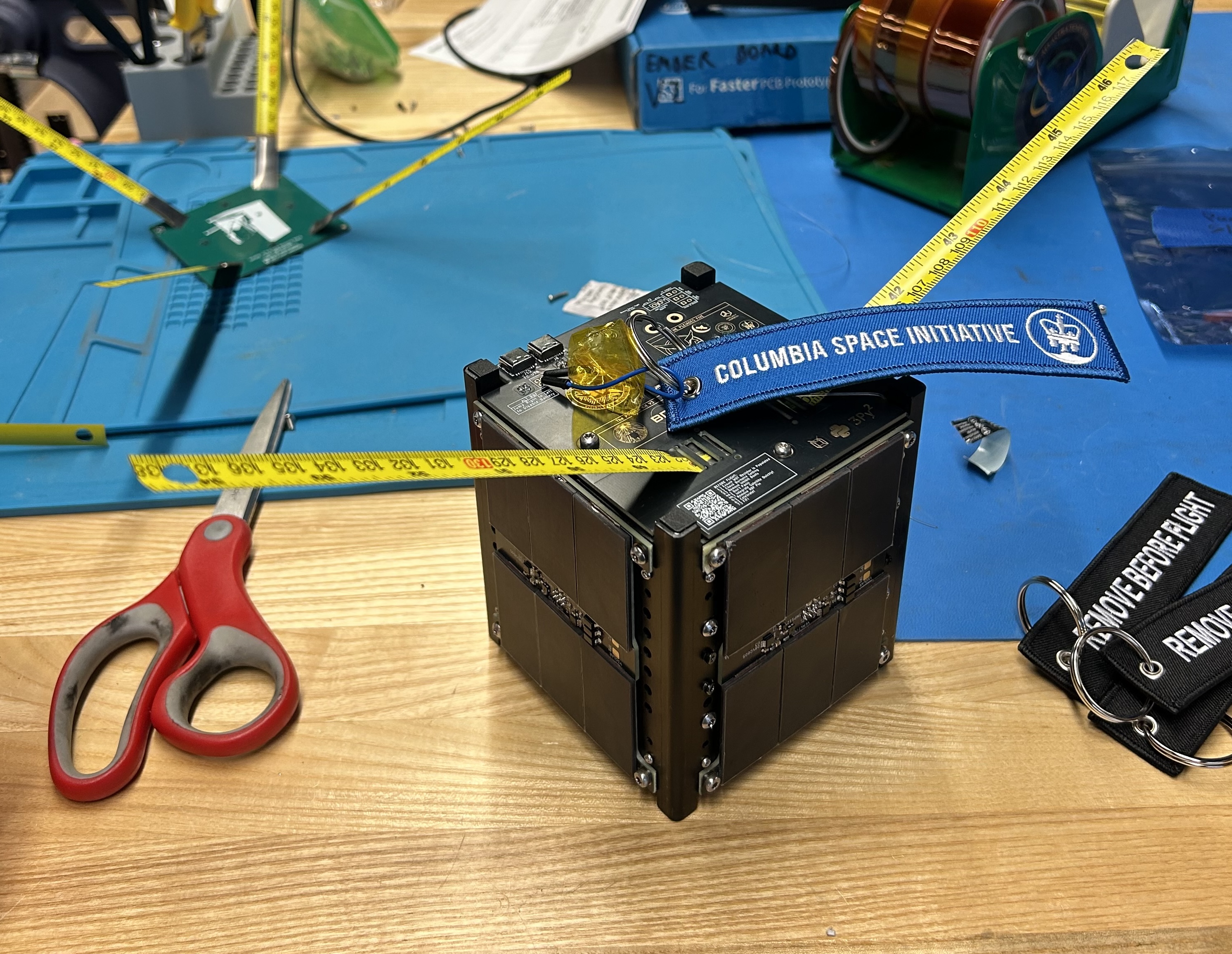
As the Structures Lead for Columbia Space Initiative’s CubeSat Team, I am responsible for the structural and thermal analysis of our upcoming 1U CubeSat launch (Spring 2026). This includes simulation-driven design in SolidWorks, physics-based modeling, and the creation of a modular payload deployment mechanism that releases a miniature Roaree mascot in orbit.
I also coordinate orbital assessment documentation and ensure compliance with the regulatory requirements involved in launching a student-built satellite.
Going forward our next project is sending a 6U satellite into space with a spectrograph to look at intergalactic medium. The team is partnered with Professor David Schiminovich to secure funds and launch in 2027. Learn more about CSI or support the mission here.
Design & Assembly
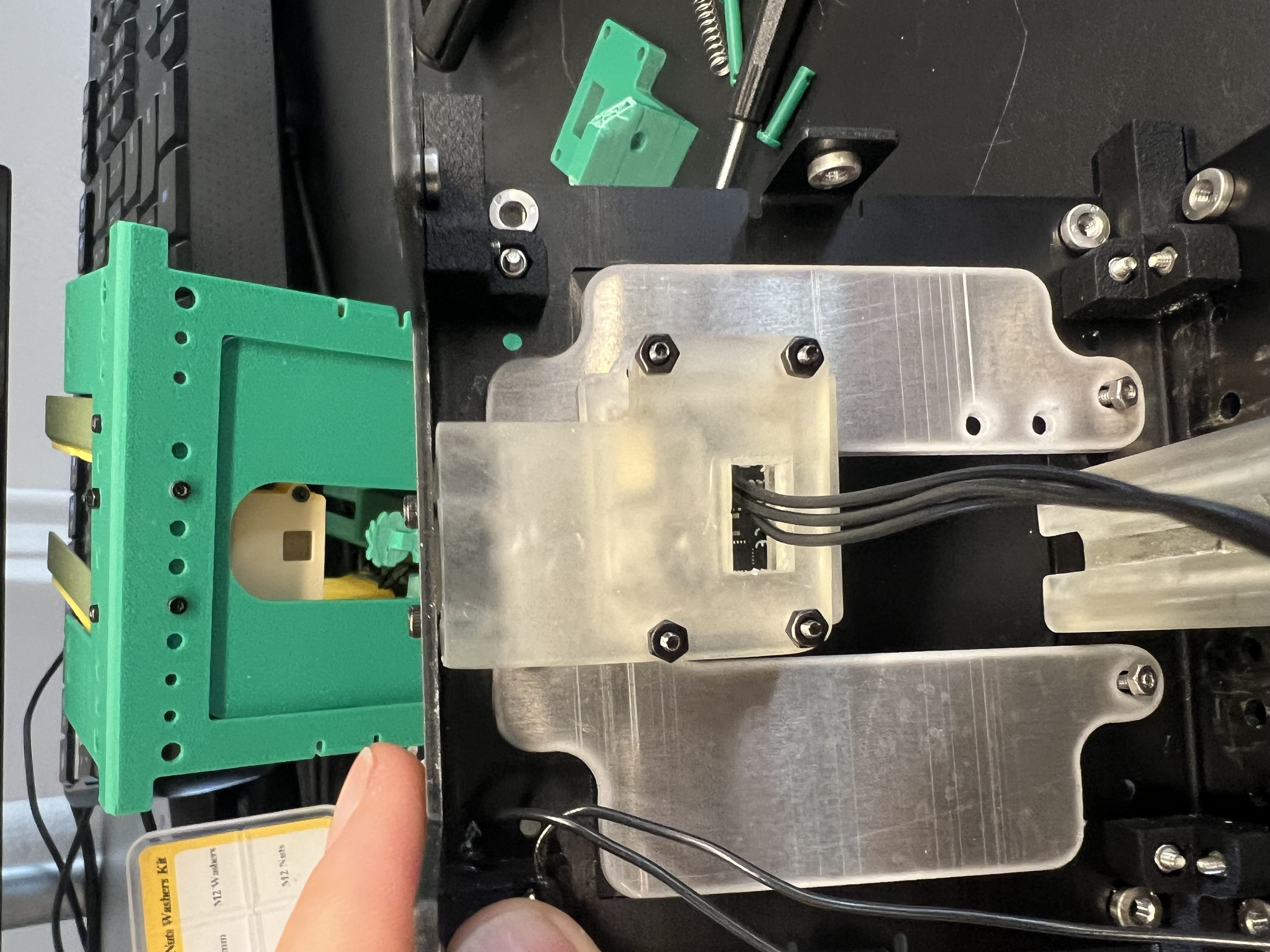
Much of the structural design focuses on ensuring the CubeSat can survive both launch loads and thermal cycling in Low Earth Orbit. The internal frame, deployment bay, and camera housing all went through multiple iterations to minimize mass while maintaining rigidity and alignment accuracy.
The image below shows an early assephmbly stage featuring the internal aluminum skeleton and 3D-printed fit checks used to validate tolerances and subsystem placement.
Internal Structure (Work in Progress)
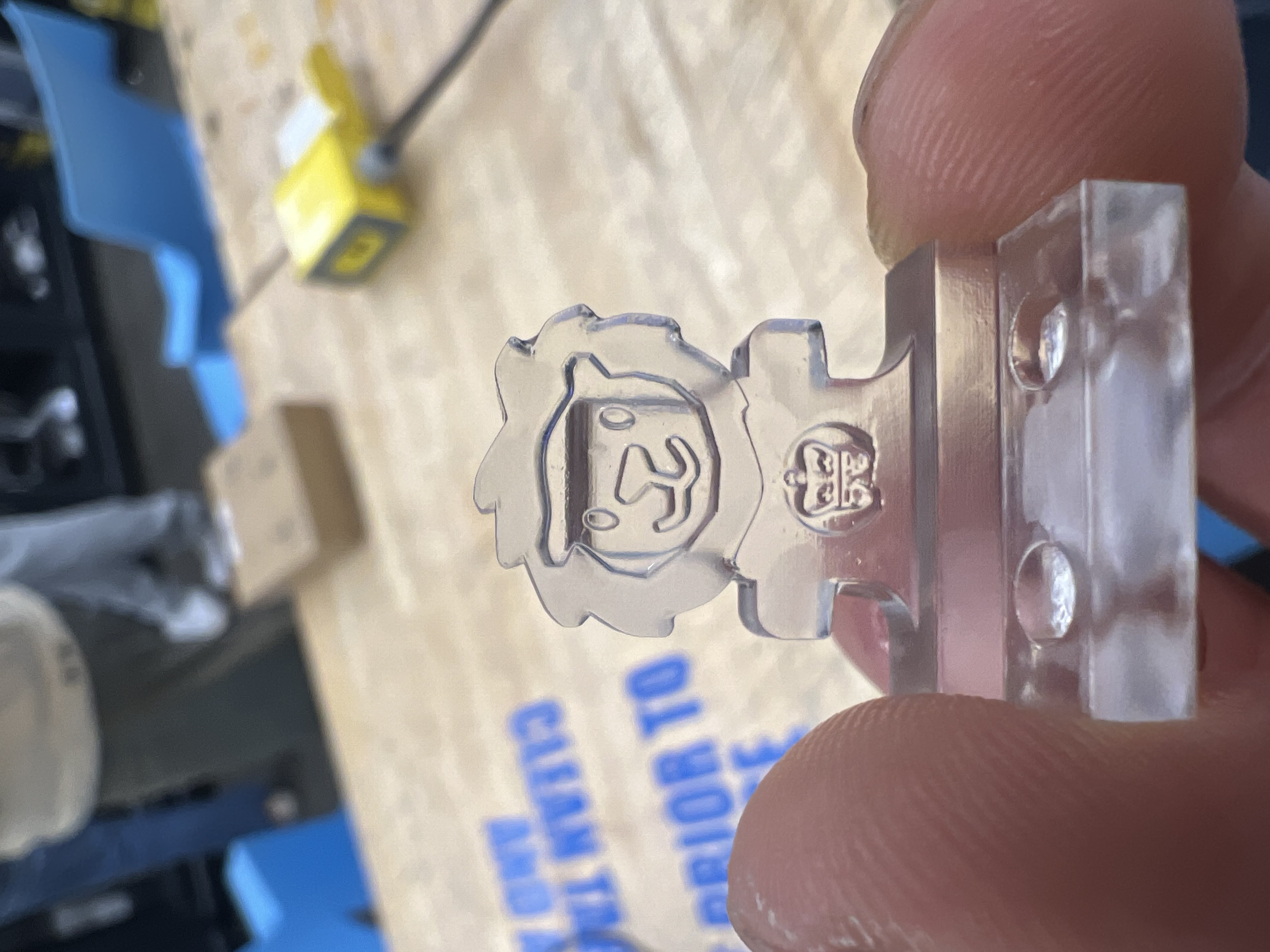
Final Roaree Design
Camera Streaming & Mascot Framing
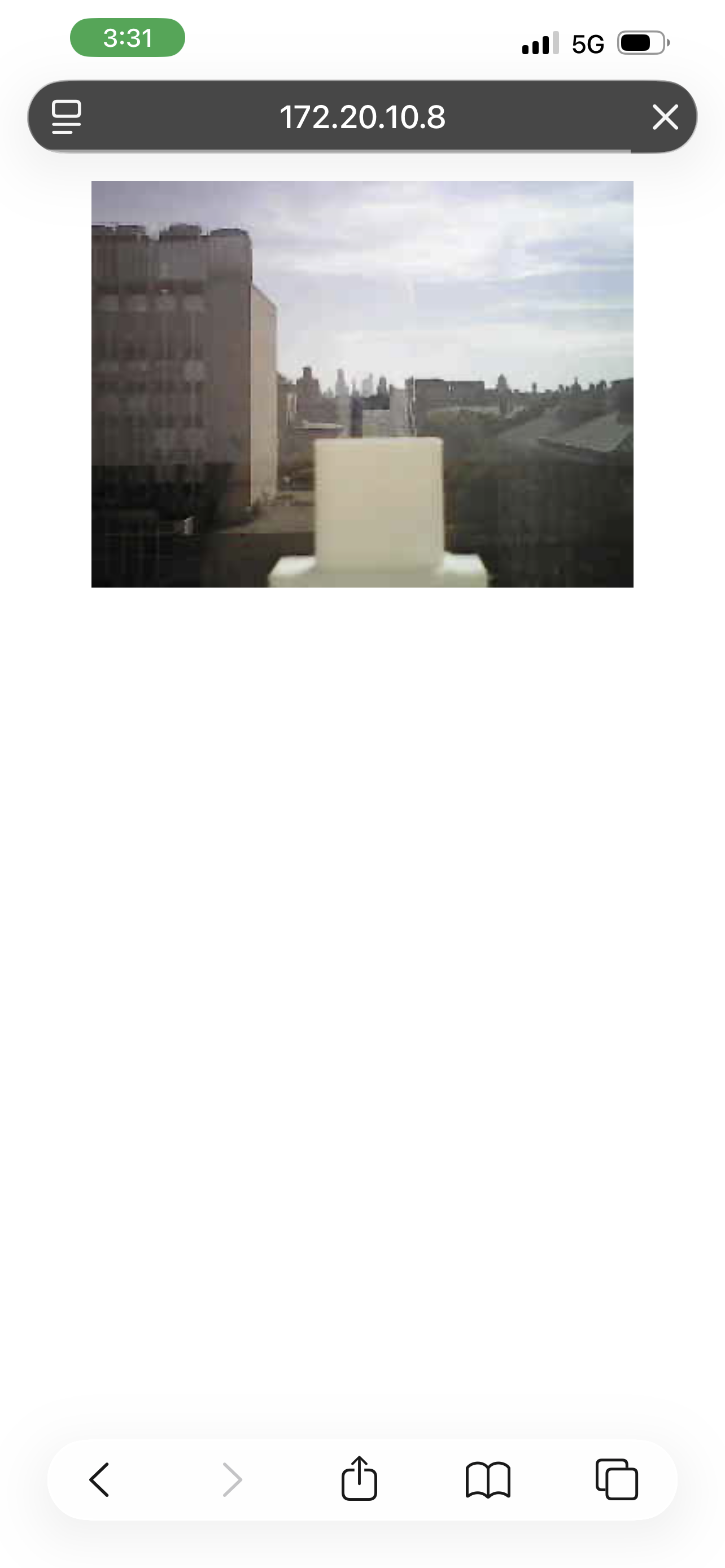
Because the mission centers on photographing a floating Roaree mascot in orbit, we conducted extensive camera testing using a placeholder cube to match its size. The camera stream was transmitted over a cellular wireless connection, allowing us to validate exposure, focus, and framing in real time—critical for ensuring the deployment mechanism positions Roaree perfectly in view once in space.
Camera Streaming Test